Protected Content

Contact me for the password~

Incorrect password. Please try again.
Jingfei Huang Logo
  • work
  • about
  • resume

whale

✕
Overview

When I joined the team, Whale had a fragmented core production workflow, with inconsistent page logic and bulk video features that went largely unused. Partnering with a PM and engineers, I audited the existing product and ran competitor analysis to surface a core tension: marketing teams needed to generate and review high-volume content at scale, but the approval flow broke down under the weight of redundant steps and tangled information architecture. By the end of the project, what had been an inconsistent platform became a streamlined AI-native workflow.

Categories B2B, AI, Web App, Cross-platform, Marketing Content Date Jun 2024 – Aug 2024 Role Product Design Intern

Solution

Feature 1.
Batch Video Processing

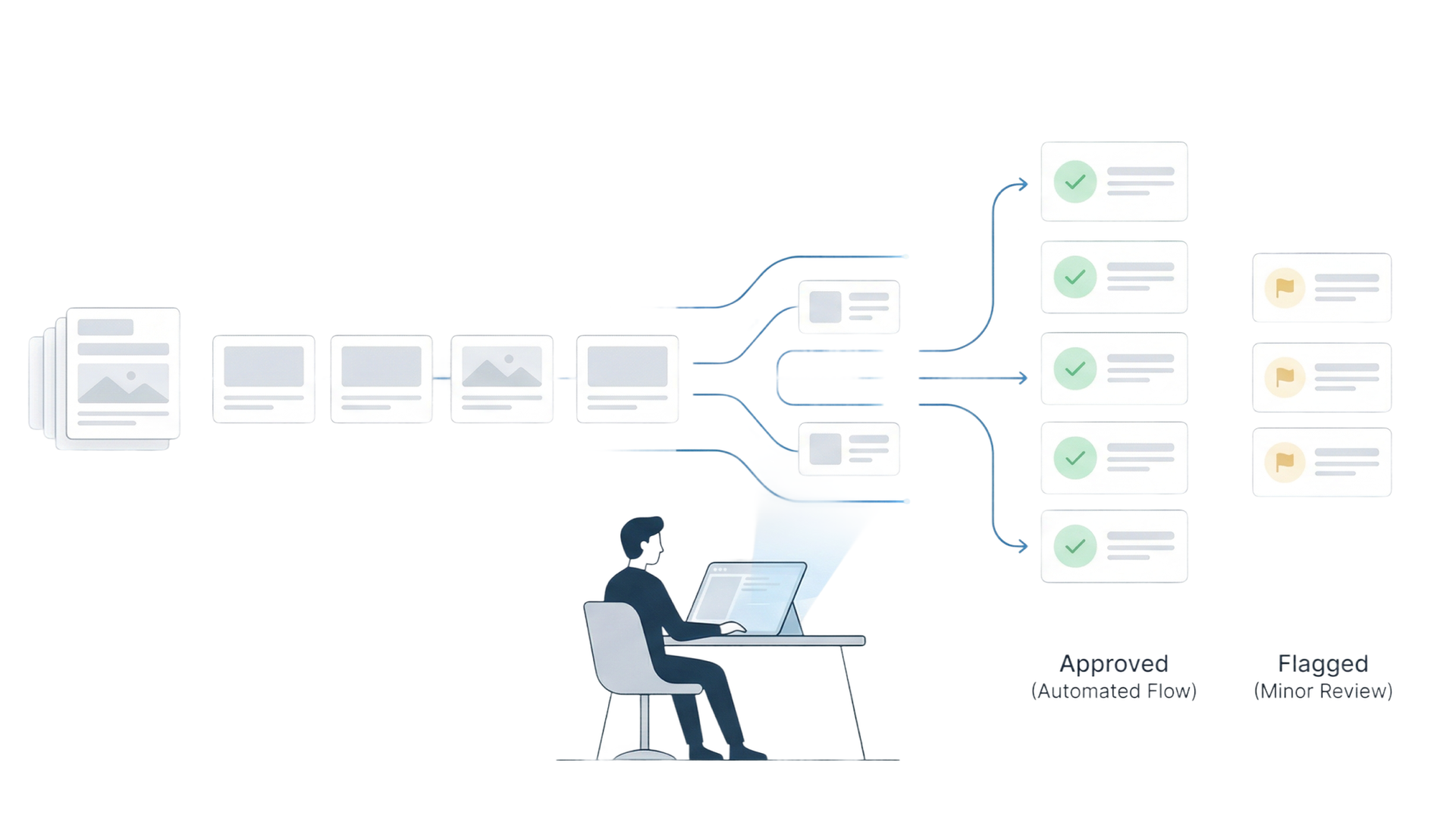
Redesigned the end-to-end production workflow to balance high-speed automated generation with manual quality control. By mapping complex data flows into a structured journey, I resolved the structural fragmentation that previously hindered marketing teams from producing high-volume content at scale.

Feature 2.
Batch Audio Processing

Redesigned a seamless integration of batch voiceover capabilities within the video generation pipeline. This feature ensures audio-visual consistency across hundreds of assets simultaneously, enabling enterprises to maintain brand tone while drastically reducing the manual effort required for individual asset dubbing.

Feature 3.
Batch Text Content Generation

Designed a sophisticated, variable-based prompt system that allows for "Human-in-the-loop" editing at scale. By enabling users to recycle tokens and edit specific variables within a batch, the system ensures high-output consistency while allowing for the creative nuance necessary for diverse marketing campaigns.

Not persuasion. Recalculation.

What stayed with me wasn't the design getting approved. It was the moment I realized the engineers weren't saying no to the design. They were saying no to the cost of it.
During the redesign, the engineering team pushed back on my proposed workflow changes. Their concern wasn't the direction. It was the overtime, the rework, the risk of touching too much. I could have argued the experience value. Instead, I went back through the existing codebase logic with them and mapped where the new flow could reuse what was already built. The changes I was asking for suddenly looked a lot smaller. They aligned. Not because I convinced them the design was right, but because I made the path forward cheaper than staying put.
That moment changed how I think about cross-functional resistance. When engineers push back, it rarely means they disagree with the direction. It usually means the cost feels too high. So my job isn't to argue harder for the design. It's to step into their position first, understand what's making it feel expensive, and find a path that works for everyone.

“

Redesigning the AI Content Production Workflow for Enterprise Marketing Teams.

”

Results

CHI 2026 publication logo

Measurable
Efficiency Gains

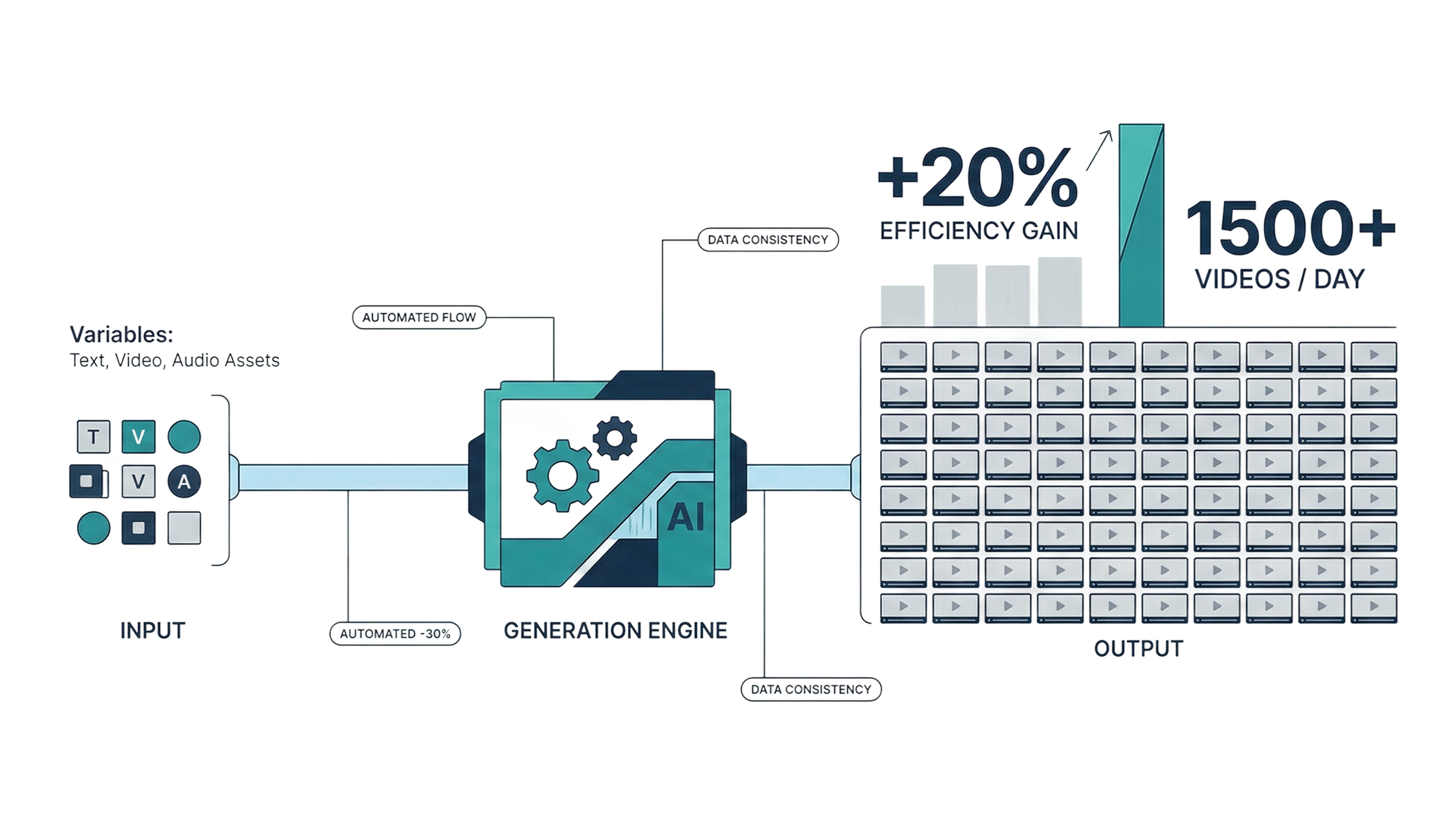
Successfully increased video generation efficiency by 20% through the systemic redesign of the batch mash-up workflow, significantly accelerating the production-to-distribution cycle for enterprise marketing teams.

Insight 02

Reduced Friction
in Content Moderation

Minimized approval cycle stagnation by optimizing the logic flow between AI-generated outputs and human oversight.

Insight 03

Enterprise-Grade
Scalability

Delivered a cohesive, cross-platform design (Web, Desktop, and Mobile) that supports Harbor’s mission of scaling content for 1,500+ enterprises, ensuring a unified and reliable production experience across high-stakes corporate environments.

Story

(PRD Requirement、Audit Existing Product、Domain Knowledge Gathering)
Story 1. Discomfort Is My Starting Point

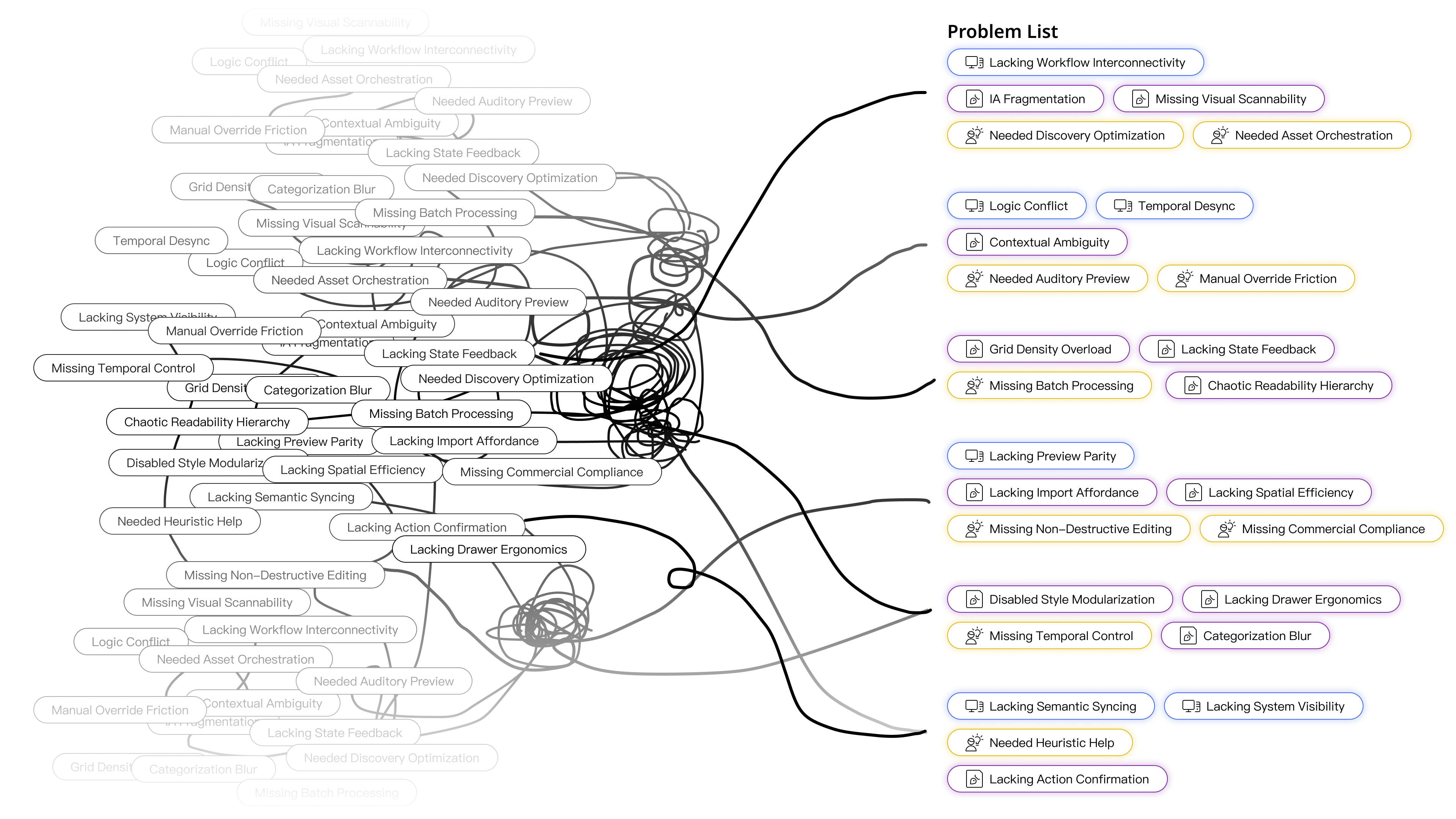
We began by mapping where creative teams lose momentum across tools and modalities, then reframed the workflow around continuity instead of isolated outputs.

whale story 1
(Problem Identification、User Journey Map、Opportunity Mapping)
Story 2. Systematic Under Pressure

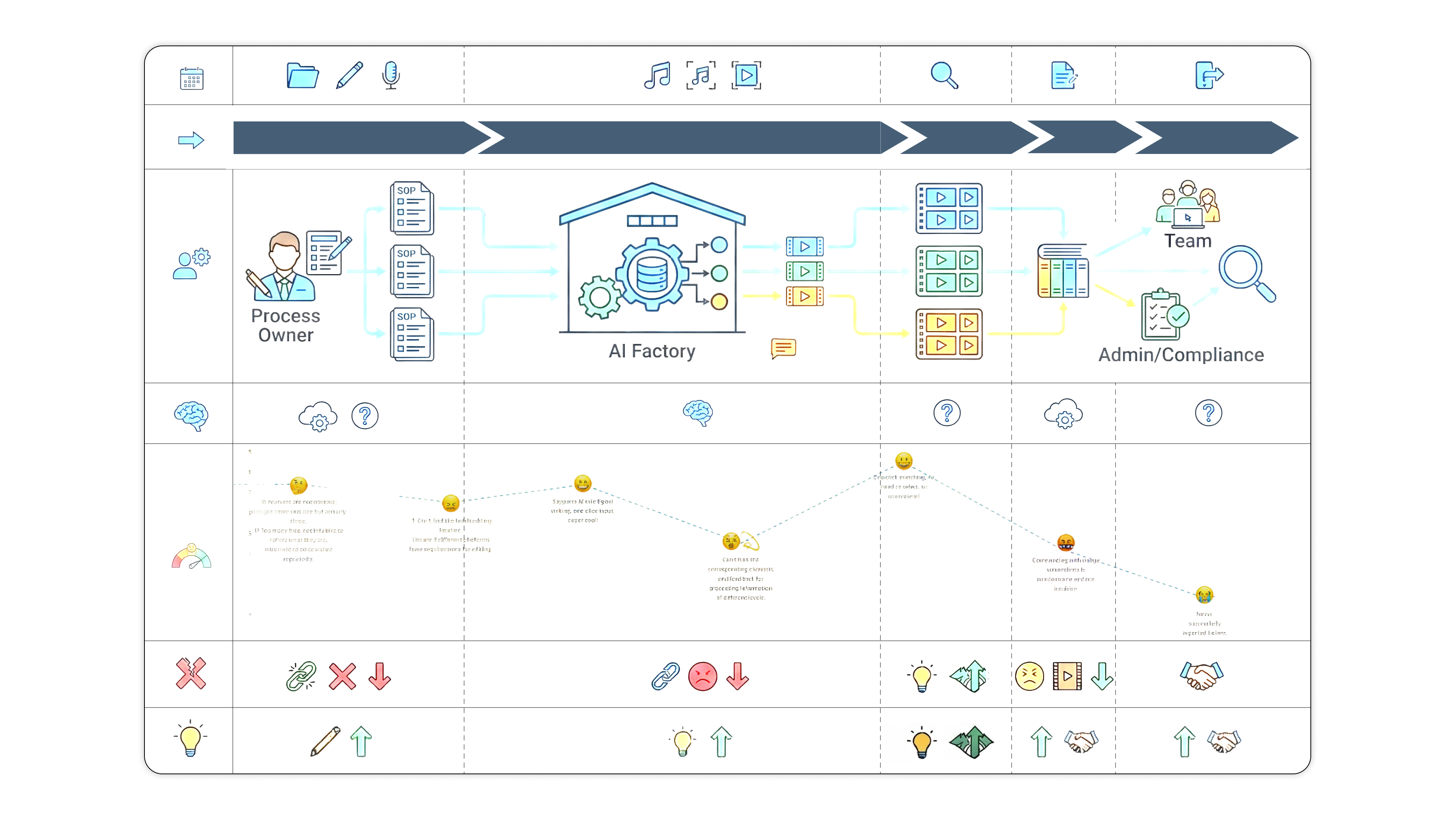
As discovery progressed, I realized the product had a structural problem that no single screen fix could solve: multiple user types, overlapping data flows, and a workflow that broke down at almost every handoff point between them. I built a User Journey Map to trace how each user type moved through the system and where information got lost or duplicated, then brought it to the PM for review and revised it based on their feedback. Once the map was right, the whole project came into focus. What I learned is that in a chaotic product, clarity doesn't come from more research, it comes from finding the one artifact that forces everyone to see the system the same way.

whale story 2
(Pushback、Cross-functional Collaboration、Feasibility Adjustments)
Story 3. From Pushback to Path Forward

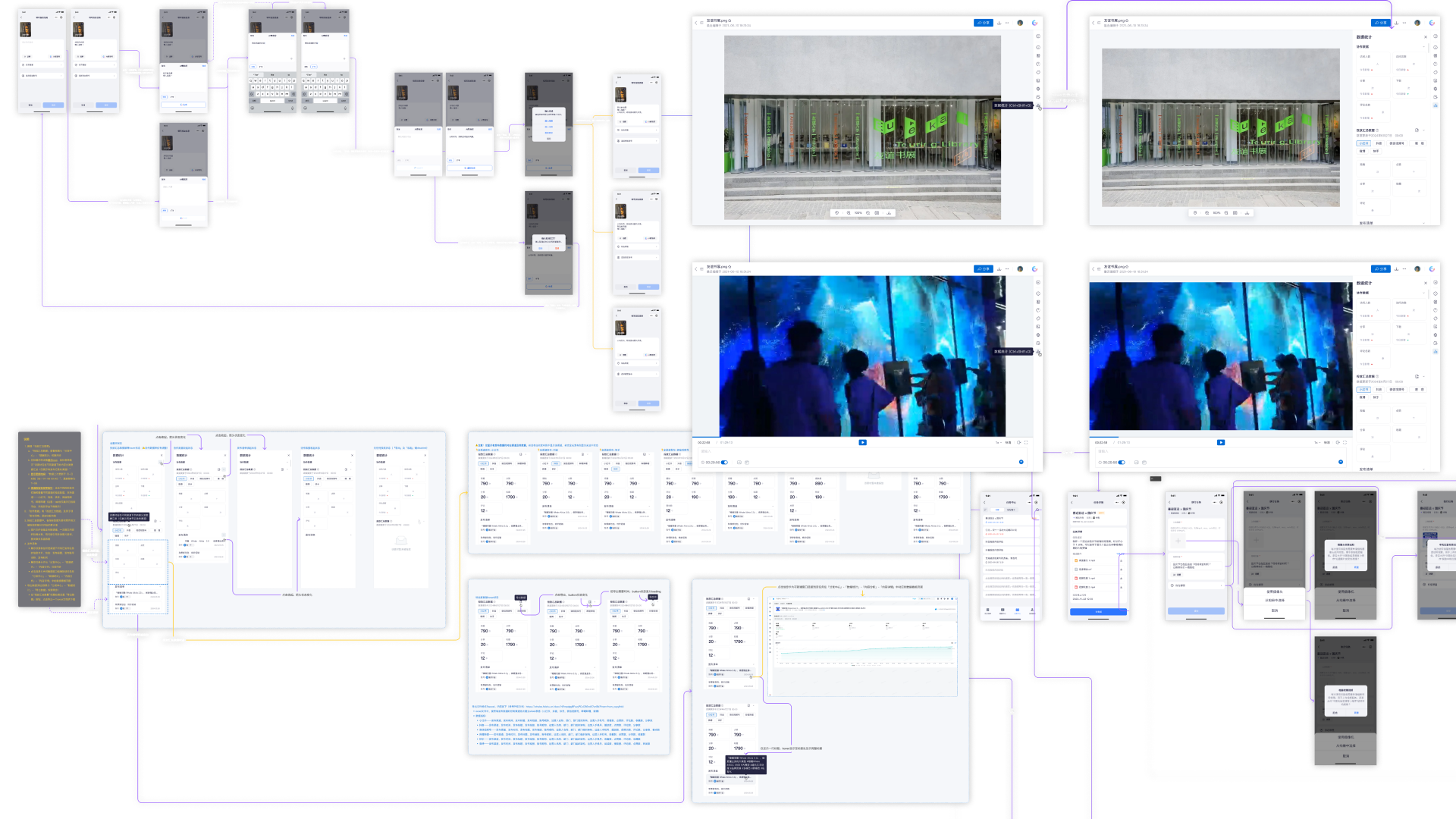
Once the direction became clear, I brought my proposed workflow changes into design review, and the engineering team pushed back. Their concern wasn't the design itself; it was the implementation cost, the overtime, the risk of touching too much at once. Instead of defending the design on experience grounds, I went back through the existing front-end and back-end logic with them, mapped where the new flow could reuse what was already built, and showed that the actual changes were smaller than they looked. They aligned. What I learned is that resistance in cross-functional work is rarely about disagreement; it's about perceived cost, and the real job is to step into that perspective and make the path forward feel manageable.

whale story 3

built by jingfei huang © 2026

resume github linkedin youtube